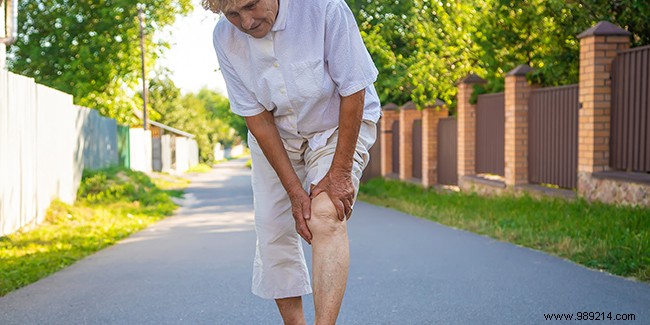
Maintaining health requires a balanced diet, adequate sleep, and regular physical activity tailored to your condition. For those with knee issues, low-impact exercises can help without risking further injury. As orthopedic specialists and physical therapists often advise, understanding your knee pathology is key before resuming activity. Here are evidence-based recommendations drawn from clinical experience.
Knee pain frequently stems from inflammation due to falls, impacts, or awkward movements. Initial relief comes from RICE (Rest, Ice, Compression, Elevation), topical ointments, and over-the-counter analgesics like paracetamol or ibuprofen. Persistent or severe pain warrants immediate medical evaluation—don't delay consulting a physician, as rest may be necessary during acute phases.
Tendons link muscles to bones, and pathologies like tendinitis (tendon inflammation), tendinopathy (progressive deterioration), tendinosynovitis (synovial sheath inflammation), or ruptures can cause significant discomfort.
This underrecognized condition involves friction from the iliotibial band (fascia lata) against the knee's outer edge, often triggered by repetitive motions like running.
Gonarthrosis results from cartilage wear and is prevalent in seniors. Though chronic and painful, even post-prosthesis patients can return to adapted sports under medical guidance after rehabilitation.
Activity resumption depends on pain nature: brief rest suffices for minor issues, followed by gradual reintroduction. Severe or persistent pain requires professional assessment, imaging if needed, and tailored treatment. Always heed your doctor's counsel to avoid worsening the condition.
Ideal for all levels, Nordic walking uses poles for outdoor strides, mimicking cross-country skiing. It boosts cardiovascular health, joint mobility, and mood while minimizing knee stress. Learn proper technique from a certified instructor, stretch thoroughly, and stay hydrated.
Buoyancy reduces joint load, making swimming a staple in rehabilitation. Progress at your pace to gain strength, endurance, and flexibility without impact.
This pool-based workout enhances muscle tone, bone density, and joint stability through gentle resistance. Senior-specific classes are widely available.
With physician approval, stationary or road biking offloads body weight from knees. Enjoy solo or group rides for fun, low-impact cardio.
Gentle stretching under trainer supervision targets muscles surrounding the knee for support and relief. It improves flexibility and is integral to sessions.
Inspired by yoga (also knee-friendly), Pilates uses mat work and props with breath control to build core strength and joint stability—popular in France for its accessibility.
Regular, adapted exercise preserves knee function, promotes healthy aging, weight management, and overall well-being. Consult your doctor or physiotherapist to personalize your routine.