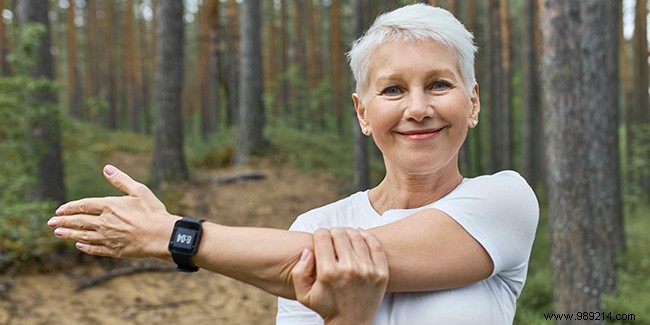
The elbow, like the knee, endures heavy stress, making pain in this joint all too common. If discomfort in one or both elbows has you sidelining exercise, think again. Regular physical activity supports both physical and mental well-being. The solution? Choose low-impact options tailored to your condition. Drawing from established medical insights, this guide covers common elbow issues and vetted activities to help you move confidently.
Elbow conditions are diverse, often leading to epicondylitis—inflammation from tendon changes around the epicondyle, a bony protrusion on the humerus above the joint.
Tendon-related elbow pain stems from various causes, including:
Pain may strike suddenly from injury or build gradually. Regardless, consult a doctor promptly for accurate diagnosis and treatment, which could involve pain relievers, anti-inflammatories, or antibiotics.
With your doctor's clearance, physical activity is not only feasible but beneficial during elbow recovery—unless it's a fresh fracture or post-surgery scenario, where rest is essential. Still, select wisely with these key guidelines:
Joint issues don't mean inactivity. Prioritize these doctor-approved options to maintain fitness:
Water-based exercises shine for joint pain, including elbows or knees, thanks to buoyancy that unloads body weight. Opt for freestyle with a kickboard, aquajogging, aquabiking, or aquagym for smooth, pain-free motion.
Aim for 10,000 daily steps—a cornerstone of health with zero elbow strain. Use hiking poles for stability, but avoid heavy leaning.
Legs strong despite elbow woes? Run on smooth surfaces to protect knees and minimize fall risks.
These gentle sessions build strength and flexibility, ideal for seniors. Low-intensity moves safeguard joints while preserving mobility and independence.
Bike rides suit most elbow cases—stick to smooth paths, adjust handlebar height to ease arm pressure and reduce joint stress.
Skip racket sports like snowshoeing, badminton, or table tennis due to repetitive strain.
Avoid pull-up activities in gym or climbing, and ball sports risking impacts that could aggravate your elbow.
Discuss options with your doctor or physiotherapist. Never push through pain—stop immediately if it hurts.