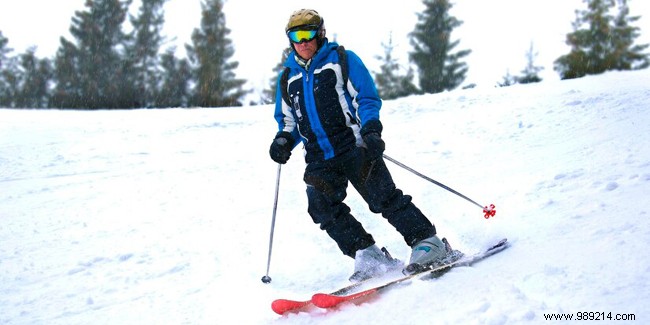
Whether you're an avid athlete or simply love the crisp mountain air, winter sports hold undeniable appeal for many—though they're still enjoyed by a select group. But can you keep skiing—or even start—as you age? Skiing unites families like few other activities, yet it carries risks: slips, falls, sore muscles, and rigid boots that pinch toes. Tragic reminders include Michael Schumacher's life-altering crash and Gaspard Ulliel's untimely death on the slopes in early 2022.
Before hitting the snow, prioritize safety gear. Helmets are non-negotiable, especially for older skiers. You'll spot confident septuagenarians and octogenarians outpacing younger crowds—proof it's possible.
Physical fitness varies more by lifestyle than age. A fit retiree often outperforms a sedentary young adult. So, to "What's the maximum age for skiing?" the answer is: it depends on your condition. With better health spans today—thanks to improved living standards and flexible careers—many seniors stay active well into retirement, filling those years with invigorating pursuits like skiing that keep them sharp.
Many veteran skiers hail from the 1950s-1960s snow school generation. Baby boomers who've skied since childhood tackle off-piste and black runs with ease. Others start post-retirement, easing in with private lessons.
Resorts cater to this demographic, offering free lift passes for those over 75 with proof—drawing affluent, international visitors.
Retirees enjoy flexibility, skiing off-peak: uncrowded slopes, no lift lines, fresh snow, and fewer novice snowplows crisscrossing runs.
Seventies-plus skiers can thrive, but fragility increases. Falls hit harder: sprains become fractures. Loosen boots slightly to protect bones. Knees, ankles, hips, and pelvis see the most senior injuries. Listen to your body, respect limits, and ease in gradually to rebuild tolerance.
Avoid bravado—many seniors resist aging's realities (men especially; women wisely quit after big falls, aiding longevity). Ski in groups, stick to marked runs, skip icy or rough terrain, and avoid bad weather. Resting beats risking severe injury. Consult doctors pre-trip; physio strengthens joints. Altitude heightens heart risks—not ideal for cardiac issues or anticoagulants.
Train a month ahead: fitness trumps age. Sedentary 30-somethings risk as much as active 60-somethings. Fuel with breakfast, hydrate, rest often—hit altitude cafés. Post-ski: massages, pools aid recovery; skip alcohol and sleep loss.
Modern gear matters. Helmets save lives, even if not universal among old-school skiers. Accidents strike all levels due to others' errors. Rent senior-friendly equipment for comfort over speed.
If alpine skiing feels intense, try snowshoeing, cross-country, snowboarding on blues with grandkids, tobogganing, or dog sledding for views without effort. (Fondue marathons don't count as cardio... yet.)