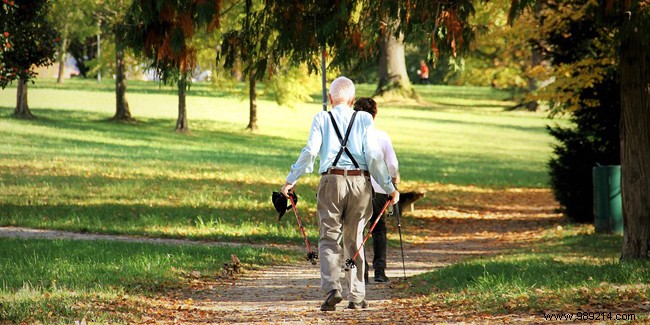
While elite athletes over 50 are uncommon, decades of research confirm that regular physical exercise is essential for maintaining health at any age. It reduces cardiovascular risks, supports neurological function, and delays conditions like Alzheimer's and Parkinson's.
Sport also strengthens muscles, preserves bone density, and enhances balance. With such proven benefits, there's no set age to stop—focus on age-appropriate activities and key safety guidelines. In essence, stay active for as long as possible!
Physical activity bolsters cardiovascular health, circulation, muscle strength, and balance while combating osteoporosis and osteoarthritis. Don't abandon it with age; instead, tailor it to your body's needs to prevent unnecessary strain. Always consult a doctor for contraindications and consider a stress test before starting. Match your intensity to your fitness level and age.
After 40, high-endurance or elite sports become challenging. By 50, prioritize agility and flexibility with options like gymnastics, yoga, tai chi, golf, or archery.
Post-70, gentle pursuits like walking or soft martial arts suit even those with age-related issues. Avoid high-impact activities such as team sports, tennis, badminton, alpine skiing, or intense water sports.
The World Health Organization's (WHO) "Global Strategy on Diet, Physical Activity and Health" outlines guidelines for those 65+. "Physical activity" encompasses leisure, walking, cycling, chores, play, and sports—not just formal exercise.
For healthy seniors, aim for 150 minutes of moderate-intensity endurance activity weekly (or 75 minutes vigorous), in sessions of at least 10 minutes. This builds cardiovascular endurance, maintains muscle and bone health, and lowers risks of neurological and mobility issues.
These apply to those with mobility limitations or chronic conditions too. For reduced mobility, include balance exercises to prevent falls at least three days weekly. Sedentary individuals should adapt activities to their abilities after medical advice.