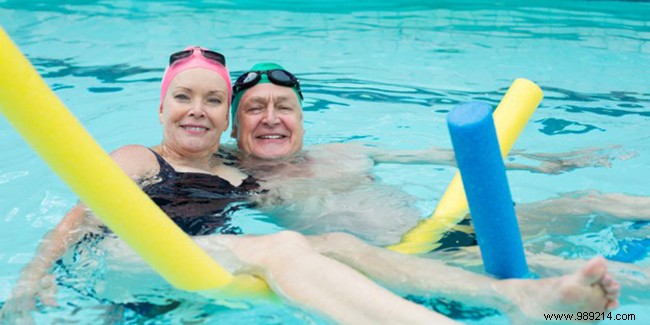
Swimming stands out as a complete, gentle, and accessible sport with proven benefits for people of all ages, especially seniors. Drawing from extensive research and clinical insights, this guide explores why it's an excellent choice for older adults seeking to maintain fitness safely.
While swimming is remarkably gentle, certain health conditions warrant caution. Consult your primary care physician or specialist to ensure it's suitable. Conditions like heart disease, lung issues, epilepsy, skin disorders, or specific ear-nose-throat problems may require alternative activities.
Conversely, doctors often recommend swimming to manage or prevent diabetes, osteoporosis, osteoarthritis, fibromyalgia, and rheumatism. Studies confirm that from age 55 onward, prioritizing endurance sports like swimming supports long-term health.
Public health initiatives emphasize keeping seniors active, as inactivity accelerates age-related decline and health risks. Healthcare professionals advocate non-impact sports to minimize injury while building strength.
Swimming exemplifies this: it gently enhances physical conditioning over time. Many pools offer senior-dedicated lanes, time slots, and retiree discounts to encourage participation.
Like aerobic exercises, swimming boosts cardiovascular health, endurance, and circulation. It also supports digestion and fortifies the endocrine and immune systems.
Regular sessions (20-25 minutes minimum) trigger endorphin release, delivering natural mood-boosting and antidepressant effects.
Swimming is joint-friendly, crucial for seniors prone to fragility. Water's buoyancy eliminates impact stresses, reducing injury risk—ideal for those carrying extra weight.
Yet water provides resistance, engaging muscles comprehensively for a toned physique without strain.
Beginners can join adult swim classes tailored for seniors. For personalized guidance, opt for private lessons with a certified lifeguard, including home exercises for consistent progress.
Aquaphobia? Specialized courses effectively address water fears, unlocking this rewarding activity. Overcoming such challenges later in life mirrors inspiring feats like earning a high school diploma.
Start with short, slow-paced sessions. Extend time floating with a kickboard or noodle for comfort. Focus on well-being over speed. Always warm up in water, rotating joints from neck to ankles, and stretch post-swim.
Don't overlook hydration—essential yet often forgotten as thirst sensation wanes with age. Keep a water bottle handy and sip every 15 minutes before, during, and after.
Consistency trumps intensity: Aim for 2-3 sessions weekly (30-45 minutes) over longer, infrequent ones. Beginners should sustain at least 20 minutes, gradually adding 5-minute increments.
Regular practice can expand breathing capacity by 10-20%, vital for oxygenation—especially to the brain, which uses 20% of the body's oxygen. This enhances daily vitality.