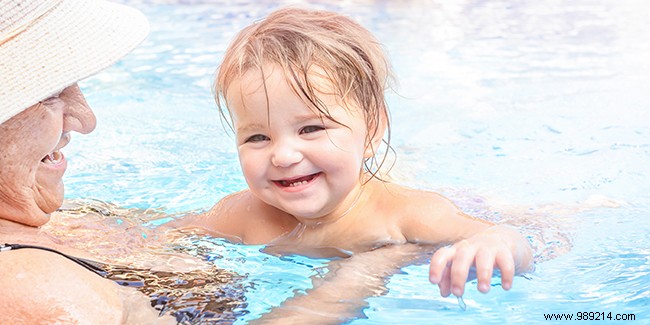
 As experienced garden and family leisure advisors, we know a swimming pool can be the centerpiece of backyard fun—especially for grandchildren. With countless options available, choosing the right one requires careful consideration of safety, regulations, and usability. Here are our proven tips to match your needs and keep the little ones safe.
For above-ground pools, regulations are minimal—no building permit needed. However, buried or semi-buried pools depend on size:
Prioritize child safety and water quality. Tailor your choice to intended use, drawing from years of family pool installations.
Options include in-ground, semi-buried, tubular above-ground, inflatable, or pump-equipped models.
Match to garden space and family size—avoid oversized pools that overwhelm small yards. Consider paddling, play, or lap use. Standard pools are ~32 m²; small ones under 10 m²; swim lanes need 10 m minimum. Factor in enthusiastic grandparents too!
Since 2004, buried/semi-buried outdoor pools mandate barriers, alarms, covers, shutters, or enclosures. Family pools cause ~7% of 1,700 annual drownings—leading child summer killer. Supervise constantly: 15 cm of water can be fatal. Survival odds: 95% after 1 minute submerged, 25% after 6, 3% after 8. Add armbands, non-slip surfaces, and safety talks.
Keep depths age-appropriate—mid-chest seated for play. For mixed ages, add a shallow paddling area. Shallower pools heat faster and enhance safety.
From stairs and lighting to kid-friendly slides, hoops, and jets—select based on ages and play styles for safe fun.
Use nets, robots, or vacuums scaled to size. Consistent care keeps water pristine.
Handles 80% of clarity. Sand is common but outdone by cartridge, diatomaceous earth, or multimedia for superior results.
Use oxidizers/disinfectants against bacteria/algae. Bromine beats chlorine for kids—less irritating, broader efficacy. Dose precisely to avoid reactions. Eco-options: copper-silver ionization, UV, salt electrolysis (pricier).
Monitor pH (7 neutral), TH (0.8–1.5 mmol/l soft), TAC (~150 mg/l) with strips, liquids, or testers for skin-safe water.
In-ground/semi-buried: €7,000–45,000, varying by material, kit (DIY) vs. pro install. Above-ground: Up to €10,000 for premium tubular, wooden, or concrete models.