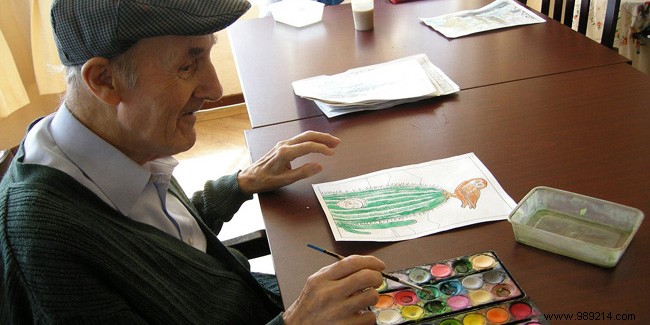
Third-age clubs, often managed by local town halls or associations, primarily aim to combat isolation among seniors. They provide relaxation and foster connections with peers. These clubs offer invaluable opportunities for older adults to meet others, build friendships, and alleviate loneliness—a major challenge for many in later life. Popular especially in rural areas, they are seeing declining attendance.
According to the Monalisa association, which addresses elderly isolation, 1.5 million people over 75 live alone with no alternative. They note, “Social isolation, which poses a significant risk of losing autonomy, has emerged as a new social risk and a public health and cohesion issue.” Maintaining social ties beyond daily routines is crucial for seniors.
Third-age clubs enable meetings with peers for discussions, fun, experience-sharing, mutual support, and friendships. These bonds form through professional-led activities like games (Scrabble, cards), tea dances, meals, lotto nights, forest walks, adapted sports, theater outings, museum visits, cinema trips, and arts such as singing, pottery, drawing, and painting. Such options help seniors stay connected and avoid isolation.
Despite their value, attendance is dropping, as noted by Info-seniors. Reasons may include better family support reducing solitude or shifting senior preferences. Today's seniors prioritize different hobbies than past generations. While not entirely outdated, some activities need modernization to align with current interests.
For instance, many seniors are tech-savvy and online. Clubs could introduce workshops on computer use, internet navigation, and online shopping. Younger retirees also love travel, with agencies offering group trips that spark connections—models worth emulating to refresh third-age clubs.