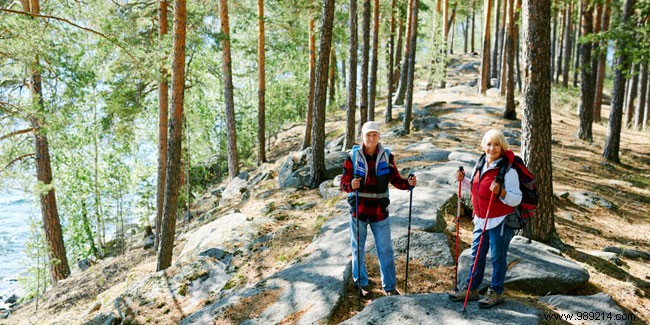
Whether you're a city dweller or a countryside enthusiast, hiking offers an ideal blend of fitness and nature immersion—somewhere between structured exercise and leisurely exploration. Solo or in groups, on well-marked trails or more adventurous paths, it simply demands proper gear. Few activities rival its ability to connect you with nature's grandeur—think dramatic coastlines, cliffside ocean views, or peak-top cloud seas—short of high-risk extreme sports, which aren't suitable for older adults. A true family-friendly pursuit from age 7 to 77 and beyond, here's expert guidance on hiking safely as a senior.
Hiking stands out as one of the gentlest yet most effective exercises for seniors, helping sustain a body that's lost some youthful vigor. It engages every muscle group deeply and sustainably, without demanding all-out exertion—if done right. Always respect your limits: select trails matching your fitness level and pace yourself accordingly. Faster hikes build more tone, but exhaustion in remote areas defeats the purpose.
Key benefits include cardiovascular maintenance—regular heart-pumping reduces artery-clogging risks by efficiently circulating blood. Even for those with heart conditions, hiking's steady endurance style avoids sudden strains, though a pre-hike cardiac evaluation is essential. It offers both preventive and therapeutic effects, especially as hearts naturally weaken with age. Lungs benefit too, particularly post-smoking; the effort—and thinner air at altitude—strengthens respiratory function.
Hiking combats osteoporosis by delivering micro-impacts to bones during steps, prompting natural regeneration that fortifies skeletal strength, much like muscle repair from training. It also nourishes cartilage, countering osteoarthritis. Overall, consistent, moderate hiking yields profound bodily improvements—your doctor can confirm it's wise before starting, especially over 70 or with health issues.
Doctors and mental health pros universally endorse hiking's mood-lifting power. Nature exposure, akin to forest bathing, slashes cortisol (the stress hormone) levels after woodland walks. Hiking excels here, immersing you in France's diverse landscapes via GR long-distance trails—from coasts to mountains—melting away anxiety amid stunning vistas.
As a social activity, often in groups, it combats senior isolation, post-retirement or partner loss. It fosters bonds with friends, kids, and grandkids. Physicians often prescribe it first for mild depression or low mood, complementing treatment—pair it with quitting smoking and balanced eating for optimal results.
Despite its gentle nature, aging bodies are more prone to injury, fatigue, imbalance, and weather sensitivity. Avoid heroics: inform yourself, prepare thoroughly. Beginners differ from lifelong hikers; post-65, get a cardiac check to know your limits.
New to trails? Join guided groups rated by difficulty—many suit seniors. France's varied terrain offers options worldwide, with perks like luggage transport. No competition here: hike at your pace, take breaks, request help. Warm up with stretches and start slow to prevent falls, fractures, or tendonitis.
Gear up right: invest in quality hiking boots. Trekking poles outperform canes for joint relief. Pack water, snacks, and light layers—without overload.
In essence, hiking remains viable at any age with smart precautions.