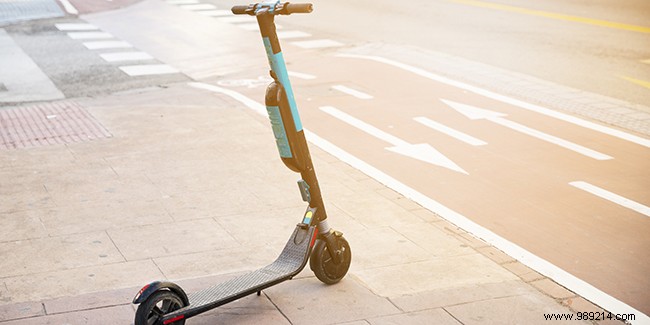
Electric scooters are proliferating on roads, bike paths, and unfortunately sidewalks, boosted by citywide rental programs. These lightweight, agile devices have transformed urban mobility. If you're a senior considering one—whether rental or personal—here's expert guidance based on real-world experience and safety data to help you decide.
As a mobility specialist with years advising older adults, I recommend electric scooters for their practicality. Ideal for medium distances in compact cities, they enable fatigue-free commuting without the hassle of cars. Top speeds of 25 km/h suffice for urban travel—fast enough to keep pace with grandkids on outings, yet controlled. No more skipping family bike rides due to tiredness; perch comfortably on your scooter while they pedal behind.
The main caveat? They can foster laziness for short trips like bakery runs, potentially reducing beneficial walking that maintains muscle and joint health in later years. However, data shows no elevated injury risk when used properly—no greater threat to bones like the femoral neck than everyday activities.
Most incidents stem from misuse, not the devices themselves. France's Highway Code classifies electric scooters as EDPMs (Personal Light Electric Vehicles), mandating rules akin to cycling: no passengers, no alcohol/drugs, no phone use, and sidewalks off-limits. Fines apply, though enforcement varies. Responsible use matches bicycle safety levels.
Bad reputation arises from reckless riders encroaching on sidewalks. In truth, no scooter is inherently dangerous—only poor operators. With full faculties and compliance, risks align with other micromobility options.
Like any transport, accidents happen, but staying home isn't living. Road safety experts strongly advise helmets; add elbow/knee pads if desired. Mandatory equipment includes lights, reflectors, brakes, and a horn for visibility in all weather. Signal clearly to share roads safely—your exposure won't exceed biking or driving when rules are followed.
Electric scooters pose no greater urban risk than bikes or cars; their sudden rise and misuse fueled fears. Limited to 25 km/h by regulation, falls at 20 km/h warrant caution, especially for fragile seniors—but bicycles carry similar risks. Assess your fitness or consult a doctor; adapted models exist for reduced mobility. Gear up properly, follow the code, and embrace independent travel into your golden years.