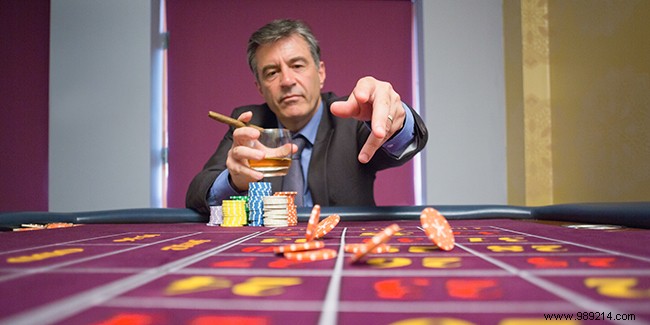
Addiction often conjures images of substance abuse—drugs, alcohol, or tobacco—where external substances hijack the body. Yet behavioral addictions, like excessive gambling, fit the same pattern: compulsive actions one desperately wants to stop but can't, despite the harm. While screens get much blame for young people, games of chance—betting, scratch cards, slots, poker—deserve attention. These hit hard financially and emotionally, leading to physical and mental health issues, including suicidal thoughts for many problem gamblers.
Seniors aren't the primary victims, making up under 10% of players and just 4% of those with problematic habits. Typically, it's younger, low-income men from working-class backgrounds. Sociologist Florence Weber links this to the working classes' 'taste for chance' as an equalizer. Still, seniors aren't immune, and their risks carry unique traits.
Among seniors, risky gambling ties to isolation, common in later life. Casinos and PMUs (horse betting spots) offer social outlets, especially in rural areas. Retirement, widowhood, and loss create free time and boredom, turning casual play problematic.
The industry targets them via retirement home casino trips, drawn by their disposable income. Wealthier players may not notice losses quickly, allowing addiction to deepen. Stereotypes of glamorous elderly women at slots hint at gendered patterns: men favor skill-based bets like poker or racing; women, pure-chance games. Addiction mechanisms remain consistent across types.
That said, gambling isn't inherently bad. Many seniors enjoy it responsibly, with budgets and as social fun, without escalation.
Aging brings physical and cognitive declines, reducing risk awareness. Some medications cloud judgment, though doctors rarely flag gambling interactions.
Diagnosis is trickier sans work impacts. Seniors may deny issues—past norms downplayed risks, and 'wisdom' with age breeds denial. No shame in help, but barriers persist.
Watch for: escalating bets; no time/money limits; raiding savings/selling items; obsession or defensiveness when questioned. These signal concern, not proof.
Confirm issues via signs (not just dislike), then talk openly. Many seniors lack awareness; family support can spark change. For severity, consult mental health pros—they spot roots like depression. Resources mirror AA: support groups abound.
Address causes: loneliness, boredom. Suggest clubs, arts, sports for fulfillment. Proactive care prevents or reverses harm.