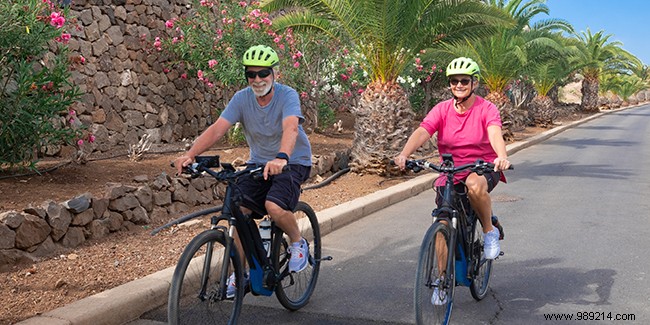
As physical fitness naturally declines with age, many seniors are turning to electric bikes for safe, enjoyable mobility. To maximize pleasure and safety, selecting the right model is crucial amid today's diverse market. This guide, informed by years of expertise in electric mobility, outlines key criteria to help you find the ideal e-bike.
If you're active and enjoy rocky paths or trails, opt for an electric mountain bike. For urban streets and roads, choose city-specific models over e-scooters. Prefer versatility? All-terrain e-bikes (VTCs) offer a solid compromise.
For city e-bikes, frame geometry is vital in dense traffic with frequent stops. Seniors often face mounting/dismounting injuries due to reduced flexibility—ensure both feet touch the ground comfortably.
Test thoroughly: adjust settings, assess posture comfort, and check control ergonomics. Focus on wrist pressure, back/neck/shoulder strain. A well-fitted e-bike delivers true ease tailored to your build.
E-bikes average 5 kg heavier than traditional bikes, some reaching 27 kg. Even with motor assist, you'll sometimes maneuver unpowered.
Don't chase lightness alone—lighter models risk underperformance and weaker assistance. Evaluate weight/performance trade-offs within your budget. Crucially, seek a low center of gravity: mid/high-end bikes integrate motors at the crankset and batteries in the frame; urban models place batteries under racks.
Battery quality defines e-bike reliability. Key factors:
Follow the manual: top up monthly, even unused.
Per EN15194 standards, motors cut assist at 25 km/h, pedaling cessation, and max 250W.
Torque (15-85 Nm): higher for steep hills. Flat terrain? Modest torque suffices. Motor position affects handling—test for agility.
All e-bikes have speed sensors: rotation (less responsive, spin-based) or force (effort-triggered, more natural but demanding). Test to match your preference.
Narrow options via specs and reviews, then demo at shops. Criteria guide you, but personal sensations seal the choice.