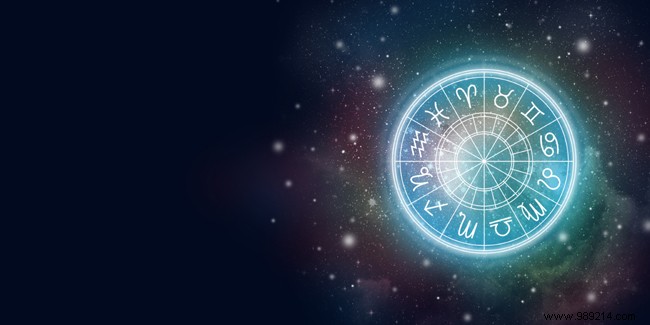
Gaze at a clear summer night sky, and you might catch a shooting star—perfect time for a wish. Throughout history, civilizations have been captivated by space and stars, attributing mystical influences to them that shape our destinies. Astrology reigns supreme in this realm, and today it's surging in popularity, especially among younger generations on TikTok, Twitter, and Instagram. It's a timeless trend: ancient elders consulted stars for harvests and battles, naming planets after Roman gods. While skeptics scoff, the moon's tangible effects on tides and seasons remind us that celestial bodies do impact Earth. Even birth season influences early childhood experiences, potentially shaping personality traits.
Let's focus on horoscopes—Aries, not rams! These promise insights through vague, broad predictions. What lies behind them? Read on for revelations grounded in history and psychology.
First, a common mix-up: astrology and horoscopes aren't the same. Astrology is a structured system—sometimes labeled pseudoscience—studying celestial positions' supposed effects on human affairs. Horoscopes are its simplified, often entertaining application. A serious astrologer isn't a fortune-teller with a crystal ball; they interpret planetary alignments for general mood and tendency insights. For instance, they might note planets favoring openness to new relationships, while a horoscope simplifies it to "a romance awaits." Approach horoscopes skeptically: discern broad trends from specific claims.
Options abound—from newspaper dailies to personalized apps tracking affinities with friends. This fascination spans ages and classes. Yet, many newspaper horoscopes are rushed by non-experts, prioritizing vague appeal over accuracy to boost sales. They're like soap operas: entertaining fluff relying on our playful credulity. Readers rarely complain about misses, so rigor suffers, frustrating true astrologers.
If horoscopes are mere games, why the pull—like buying lotto tickets on Friday the 13th? Psychological biases explain it.
The Barnum effect is key: we see personal truths in vague statements. Psychologist Bertram Forer demonstrated this by giving students identical generic descriptions post-test; most rated them highly accurate.
Selective exposure amplifies it—we recall hits, ignore misses. Horoscopes emphasize positives, dodging controversies, and blame flops on misaligned planets, easing disappointment. Our brains crave this comfort, drawing us back amid free papers in transit.
In tech-driven societies, embracing the irrational feels rebellious. As Jacques Bergier urged in Le Matin des Magiciens, magic persists amid progress. Reading this online would seem magical in the 1960s. Why not stars influencing fate? True wisdom: recognize our cosmic smallness; planets outlast civilizations.
Irrational beliefs like horoscopes can signal isolation or hardship, especially among the elderly. They're usually harmless fun, not distress calls—but don't treat them as precise forecasts, given their sloppy origins.
For depth, explore astrology's rich history and myths. Consult experts with your birth chart for tailored insights beyond daily vagueness. Ultimately, horoscopes offer innocent diversion, fueled by unconscious psychology. Enjoy with eyes wide open.