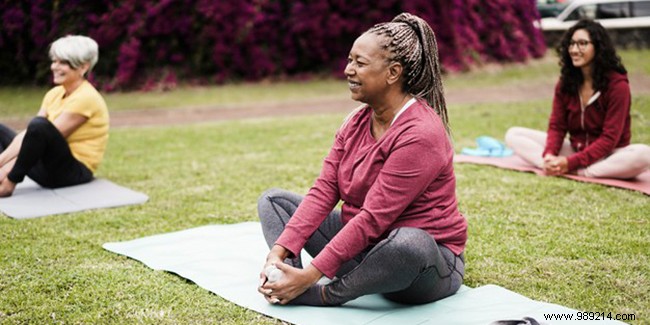
Yoga has evolved into a widely respected practice over the past four decades, offering proven health benefits backed by extensive research and real-world experience. If you're 60 or older and considering yoga, you're likely wondering if it's right for you. This guide, drawing from expert insights and practitioner testimonials, addresses your key concerns and provides practical advice.
Your approach to starting yoga at 60+ depends on your current activity level. If you're already active with hiking, gentle gymnastics, swimming, or water aerobics, transitioning to yoga basics should be straightforward.
However, if work has kept you from regular exercise, consult your doctor for a health check. True contraindications to yoga are rare. Most studios require a medical certificate for enrollment—a standard precaution for liability reasons.
Disclose any conditions like knee or shoulder issues to your instructor. Adaptations are always available; yoga prioritizes personal limits over performance.
Class options vary by location. In smaller towns, mixed-age groups (18+) are common. Larger cities often offer seniors' classes starting at age 50, with gentler pacing, circumscribed poses, and props like bricks or straps.
These can feel reassuring for beginners. Confirm if it's beginner-focused, as your novice status matters more than age if you're healthy. For perfectionists, homogeneous groups prevent discouragement—yoga welcomes all levels with patience and perseverance for lasting gains.
Yoga styles abound: Vinyasa, Ashtanga, Hatha, or general "yoga." Even same-style classes differ by instructor's energy and voice, especially in relaxation.
Attend one or two trial sessions to ensure it suits you—many studios offer this without commitment.
Yoga emphasizes mindful presence, gentle movements synced with breath, respecting your body's history and limits. Flexibility isn't required; it's about building awareness and proper alignment.
Natural flexibility has pros and cons—it aids some poses but can mask sensations. Regular practice counters age-related muscle shortening, tendon strain, and joint stiffness, making yoga exceptionally comprehensive for mobility.
For mobility limitations or contraindications preventing floor work, chair yoga uses a stable chair for balance, standing poses, and stretches mimicking traditional ones.
Private sessions offer fully customized programs for specific needs.
Yoga combats aging by gently expanding movement ranges within safe limits, boosting energy circulation from session one. Studies confirm it eases osteoarthritis pain, tension, and insomnia.
It also reduces age-related anxiety through concentration and body mobilization, lifting morale. With yoga's global popularity, it's a timeless practice—start today, regardless of age.