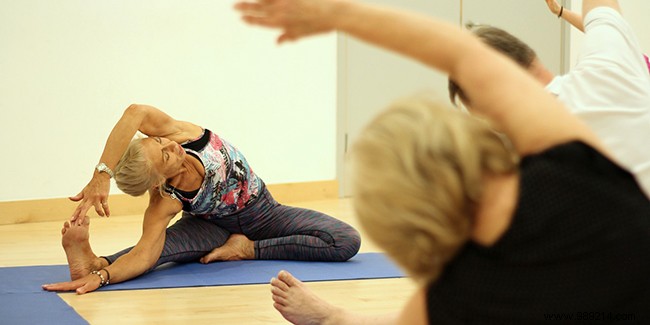
Yoga has surged in popularity in the West over the past 50 years, drawing millions with its ancient wisdom. Yet it's not one practice but many, with new styles emerging alongside timeless ones. Beginners often feel overwhelmed by the options. Drawing from decades of established traditions, this guide reviews the most respected types of yoga, helping you navigate the landscape confidently.
Hatha yoga forms the foundation for most modern styles. It emphasizes steady postures, often sequenced as in the iconic Sun Salutation. The name derives from Sanskrit: 'ha' for sun and 'tha' for moon, symbolizing the harmony of opposites—much like yin-yang balance in tai chi.
Classes move slowly, fostering introspection and mindfulness. Breath control, or pranayama, is central: masters say if you master breath, you master yoga. This goes beyond daily breathing to channeling life force energy. Some sessions include mantra chanting for deeper focus.
A dynamic offshoot of Hatha, Ashtanga was systematized by Sri T. Krishnamacharya into six progressive series. Postures flow fluidly at a steady pace, demanding strength and endurance—not ideal for absolute beginners.
Practitioners repeat series until mastery. Krishnamacharya's famed students, like B.K.S. Iyengar, Pattabhi Jois (who taught Sting and Madonna), and Indra Devi, adapted it further. Modern teaching prioritizes body awareness over the rigorous Indian style of old.
B.K.S. Iyengar shifted from sequences to precise alignment, holding postures long with props like blocks, straps, chairs, and blankets to correct imbalances. This methodical approach suits rehabilitation but can involve advanced poses under skilled guidance.
Developed by T.K.V. Desikachar, son of Krishnamacharya, Vinyoga adapts Hatha principles ('vi' for adaptation, 'ni' for application) to the individual. It integrates postures, breath, and meditation as yoga therapy for specific needs.
Vinyasa prioritizes fluid, choreographed sequences with smooth transitions synced to breath. Precision builds over time in this creative, athletic practice. Ideal for fit individuals struggling with focus, as the constant flow induces a meditative state demanding full presence.
Building on Vinyasa creativity, Aerial yoga uses hammocks from aerial arts. Postures blend ground and air work across three difficulty levels, making it accessible regardless of fitness. Hammocks enable safe inversions; consult a doctor for high blood pressure.
Known as the 'yoga of awareness,' Kundalini awakens dormant energy at the spine's base for elevated consciousness. Deeply meditative and emotional, it combines breath, postures, chants, and meditation. Seek experienced teachers, as improper practice can overwhelm sensitive practitioners.
Inspired by Kundalini but rooted in Chinese medicine, Yin yoga targets meridians via 10-12 held poses. It circulates qi for physical and emotional balance, blending mindfulness with gentle stretching.
Whatever your choice—dynamic or meditative—yoga enhances flexibility, core strength, posture, breathing, and brain function. It sharpens concentration and reliably reduces stress, explaining its global appeal. Teachers infuse personal flair, so sample styles to find your fit.