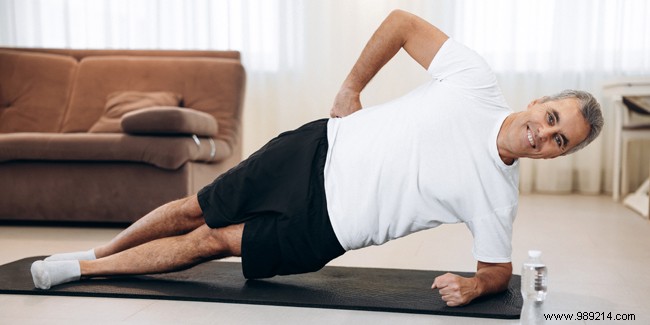
As we enter our 60s and beyond, combating a sedentary lifestyle is key to preserving vitality. While fatigue and breathlessness may arise more readily, consistent movement is vital to fend off risks like obesity, diabetes, hypertension, and high cholesterol. Gymnastics provides a gentle, effective way to protect your health and maintain independence. Here are four proven exercises tailored for seniors.
Regular gymnastics from age 60 targets straightforward, impactful objectives. Adapt them to your fitness level for optimal results:
These benefits promote long-term autonomy. Start early to prevent joint stiffness. Your heart, as the body's primary muscle, gains stronger contractions for better oxygenation.
Gymnastics is straightforward and perfect for home practice if group classes aren't your preference.
Just 10 minutes daily of these bodyweight exercises keeps you fit and energized.
Practice in front of a mirror to ensure proper form—even simple moves can strain joints if misaligned, leading to wear over time. Follow each exercise's guidelines precisely.
Prioritize breathing: Inhale and exhale through your nose ideally, or exhale via mouth if more comfortable, but always inhale nasally.
Embrace your body's limits without excuses. Stay motivated by recalling gains like improved mobility. Skip sessions only if sore from prior activities (e.g., gardening or grandkid play)—opt for gentler alternatives. Pain hinders form, so rest until it subsides.
Schedule away from meals, ideally late morning or afternoon, to avoid digestion interference.
Always warm up thoroughly, especially mornings. Allow ample recovery time post-exercise.
Perform:
Repeat 5-10 times slowly, without slouching. Adjust back if needed. Reduce range/reps if painful, but gradually increase motion unless contraindicated.
Sit on chair edge.
Lift right knee, clasp hands in front.
Switch knees, alternate 5-10 times with deep breaths.
On a mat, position on all fours. Use fists if wrists hurt; cushion knees evenly with thin folded blanket.
Do 5-10 reps slowly, synced with breath.
Stand beside a wall for light support.
Left hand/forearm on wall, extend right leg sideways (body upright). Draw 10 small circles each direction; rest foot if needed.
Switch sides. Keep legs straight, posture aligned, breathing steady.