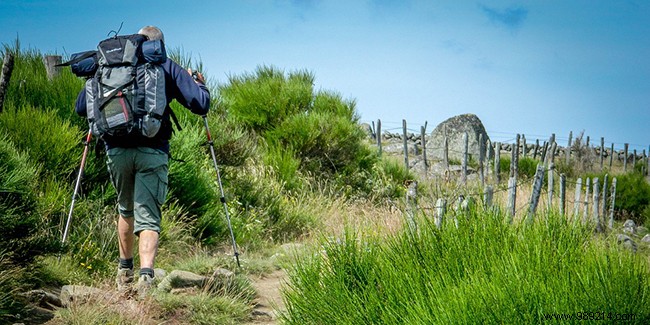
As retirement nears or arrives, envision lacing up your boots for the Camino de Santiago. This legendary pilgrimage inspires countless walkers as a lifelong dream. Yet some hesitate, even when time is abundant. Why pursue the full Camino or a segment post-retirement? How can those over 60 prepare effectively? How long to commit? Drawing from decades of pilgrimage insights, this guide delivers expert advice.
Active life often leaves little room for long treks. Retirement changes that—no more juggling schedules. Plan freely: a week, a month, or longer, with rest days tailored to your pace.
Solo walking is an option, but the Camino shines through its community. Bond with fellow pilgrims, locals, hospitaleros, and hosts. Shared challenges foster mutual support, inspiration, and enduring friendships.
Spanning regions, the Camino reveals varied terrain, flora, fauna, and heritage. Post-retirement, savor these discoveries—wander uncharted villages, detour to historic sites, and immerse in nature's wonders you might otherwise miss.
Whether the full route or select stages, the Camino tests and rewards. It sets purposeful goals, promotes healthy activity, and affirms vitality. Walking boosts respiration, heart health, sleep, muscle tone, and eases hypertension and aches—proven benefits backed by health experts.
The paths invite introspection, ideal for retirement's new chapter. Shed routines, tune into body and mind, meditate, reflect on life, and recenter on essentials. Many find it a profound spiritual reset.
Thriving on the Camino past 60 is achievable with smart preparation. Here's proven guidance from experienced pilgrims.
Consult your doctor first. Get clearance and a fitness assessment to ensure you're ready.
Match your route to your fitness. With time on your side, build in ample rest. Typical stages are 20-25 km, but beginners should split them over days to prevent injuries like blisters or tendonitis.
Schedule full rest days for recovery—fatigue accumulates. Choose well-marked, pilgrim-friendly routes.
Use breaks to explore villages and monuments. Uncover hidden gems along the way.
Pack minimally for your backpack—essentials only, as amenities abound. Opt for broom wagon services if needed; it's smart, not weakness, especially on tough days.
Tailor duration to your stamina. Retirement flexibility helps, but listen to your body.