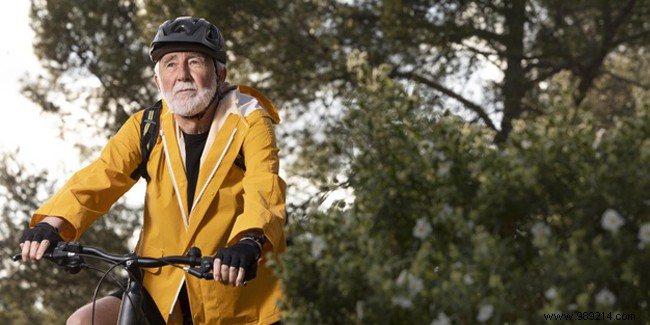
Health professionals agree: regular physical activity is vital for seniors to stay fit, ward off illnesses, and maintain high spirits. While not every sport suits older adults, cycling is an accessible choice—even for those with joint issues—offering outstanding cardiovascular benefits. That said, safety comes first. As experienced cycling advocates, we share proven tips to cycle confidently without risks.
Before hitting city streets or countryside paths, select a bike that fits perfectly. Ensure it's comfortable in the saddle, the right size, and lightweight for easy handling.
For safe rides, your bike must be in top condition with essential gear: a bell audible from at least 50 meters and reliable brakes.
In urban areas, add a spacer to encourage drivers to give you ample space when overtaking—highly recommended.
A mirror is invaluable too, particularly for seniors navigating turns with less agility.
For night or low-light rides, mandatory lighting includes: an orange or white front light, front white reflector, rear red light and reflector; wheel reflectors or reflective tire strips; and pedal reflectors.
The Highway Code applies to cyclists too—ignoring it endangers lives.
Stop at red lights, unless a specific sign permits cyclists to proceed.
Seniors with older licenses should refresh on updates, especially with rising bike use. The French Cycling Federation offers Cycling Schools to review or learn safety rules.
Key practices: signal stops by placing a foot down, avoid riding against traffic except where signage allows (like in 30 km/h zones), and never cycle on sidewalks.
Beyond required lights, boost visibility with light-colored clothing, especially in dim conditions. Add reflective bands on arms, ankles, gloves, or shoes. A high-visibility yellow vest ensures you're spotted from afar.
Blind spots cause most bike accidents—stay alert, particularly around trucks.
As cycling grows, dedicated paths marked by signs are mandatory when available for maximum safety.
Without lanes, hug the right edge but avoid gutters to prevent falls.
Always signal turns by extending an arm fully and anticipate others' moves.
At pedestrian crossings, dismount unless a bike-specific lane (often dotted circles) is present.
Helmets are required for children under 12, but we strongly urge all adults—especially seniors—to wear a properly fitted one. It's the only reliable defense against severe head injuries in falls.