Whether you're traveling as a couple, solo, or with family, a long weekend in Venice is an inspired choice. This enchanting city, built on stilts amid shimmering canals, captivates at every turn with its timeless beauty and rich heritage.
Founded in 568 by locals fleeing Lombard invasions, Venice's early settlers drove oak and alder stakes into the marshy lagoon to create a safe haven inaccessible to warships. It became a protective stronghold, electing its first doge—or duke—to lead.
For an ideal visit with mild weather, fewer crowds post-Carnival, and better deals, plan your trip from mid-March onward. Expect more affordable flights and hotel rates during this shoulder season, when luxury stays remain pricey but accessible.
Maximize your short stay by booking centrally in Venice proper—avoiding mainland options due to unique water access. Search for boutique hotels near St. Mark's Square; mid-March rates hover around €100 per night. B&Bs in the area offer great value too. For romance without budget limits, splurge on the iconic Hotel Danieli along the Grand Canal, adjacent to the Doge's Palace—around €400 nightly. Savor its legendary breakfasts and pack comfortable walking shoes for exploration.
Anchoring St. Mark's Square, the Doge's Palace symbolizes Venice's political power. Originally a fortified castle until 1173, it later housed doges who led councils, hosted ambassadors, and dined in splendor. Enter via the ornate Carta Door with St. Mark's lion, then uncover 1,000 years of intrigue: secret chambers, prisons, hidden offices, and opulent interiors.
Though St. Theodore was Venice's original patron, merchants stole St. Mark's body in 828, elevating him to protector. A chapel in the Doge's Palace grew into the basilica, consecrated in 1094 after multiple rebuilds. Evolving through the 11th-15th centuries, it became the cathedral in 1807, boasting over 4,000 m² of mosaics and 500 columns. Its eclectic styles reflect centuries of grandeur.
Towering 98.6 meters over the lagoon, St. Mark's bell tower rewards climbers with panoramic views. If stairs aren't for you, head to San Giorgio Maggiore's tower, which has an elevator for equally stunning vistas.
This iconic 1602 bridge links the Doge's Palace to its prisons across a canal. Its name evokes sighs from inmates glimpsing freedom through barred windows for the last time.
In the 16th century, Veneto's Jews faced restrictions—yellow badges, limited trades—and nightly confinement to the island ghetto, a term born here. Explore Cannaregio's evocative quarter, including fondamenta della Sella, dell'Abazia, dei Mor, and Madonna dell'Orto. The museum and synagogues offer profound history.
Erected in 1591, this 48-meter span over the Grand Canal—the oldest of four—pioneered banking and trade, exchanging currencies and shares. Flanked by shops and reliefs of patron saints Theodore and Mark, it remains a bustling Venice landmark.
Built in the 18th century, La Fenice rivals Milan's La Scala as Italy's premier opera house. Premieres by Verdi, Donizetti, Bellini, and Rossini echo here. Tour the opulent hall, stage, and royal box—or catch a performance for the full experience.
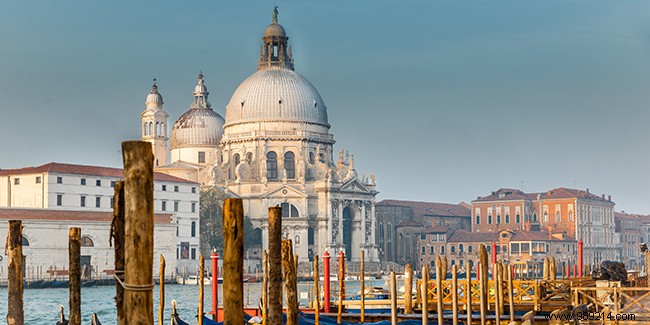
With extra time, visit the Accademia Gallery for Venetian art (12th-19th centuries) or the stunning Santa Maria della Salute. Wander alleys to uncover private palaces, or hop a vaporetto to islands like Burano, Murano, and Torcello. Venice weaves dreams that linger for years.
