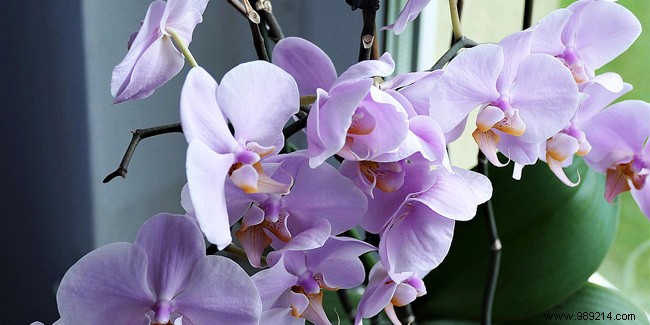
Orchids captivate with their elegant blooms, making them a favorite gift for any occasion. Yet, as seasoned horticulturists know, these delicate plants typically flower just once a year and demand precise care to rebloom. Drawing from years of successfully nurturing orchids, here’s our proven guide.
Orchids thrive with bright, indirect light to trigger reblooming after flowers fade. Position yours near an east-facing window for gentle morning sun, avoiding harsh midday rays—especially in warmer climates during spring and summer.
Check leaf color for light balance: dark green leaves signal insufficient light, while lighter green or reddish spots indicate excess. Adjust placement accordingly for optimal growth.
Consistent but controlled watering is key to reblooming. Submerge the pot in a basin of room-temperature water for 10 minutes every 10-14 days, ensuring roots absorb moisture without sogginess. Never let water pool in the pot or cachepot.
Orchids flourish in warm, humid environments that mimic their tropical origins. Boost room humidity, particularly in dry winter heating seasons, with a pebble tray or humidifier.
Like all plants, orchids benefit from balanced nutrition to support reblooming—but only apply when showing new roots or leaves. Use a diluted liquid organic fertilizer every two weeks during active growth; orchid-specific formulas work well but aren’t essential.
Refresh the potting medium annually or every two years with sterile orchid bark or a pre-mixed orchid soil from a garden center. This prevents nutrient depletion and promotes vigorous flowering.
Resist deadheading every stem immediately. For Dendrobium orchids, leave the flower spike intact post-bloom. With the popular Phalaenopsis—one of over 25,000 varieties—cut the faded spike above the second or third node at a 45-degree angle. New blooms often emerge from the same stem, sometimes up to three times, especially if a healthy side shoot develops.