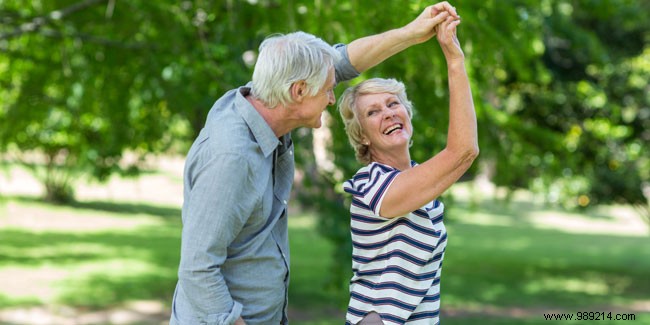
Retirement offers a wealth of free time to explore passions you may have sidelined earlier in life. With fewer family demands, lighter work responsibilities, and the wisdom of experience, it's the perfect moment to dive into new hobbies. Looking back, those youthful hesitations—fear of judgment or self-doubt—often seem trivial. Now's the time to act, as opportunities like this won't come again.
One rewarding pursuit is dancing. While many of us have swayed at weddings or parties, true grace might have eluded us. Yet who hasn't fantasized about captivating the room with elegant steps or rekindling romance with a partner through intimate dance?
The benefits extend far beyond fun. Dancing strengthens the heart, bones, joints, muscles, breathing, brain, and inner ear. It sharpens balance, spatial awareness, rhythm, and even stimulates neuroplasticity to boost cognitive function and potentially delay age-related decline.
Mentally, dance lifts spirits as a social, expressive outlet. Often learned in groups, it combats isolation common among seniors, fostering new friendships—or sparks of romance. As physical activity, it eases depression, especially for those wary of traditional therapy. Mastering new skills rebuilds confidence, making dance ideal for retirees. Age is no barrier—here's how to begin successfully.
Start with a medical check: Confirm you're fit for dance, a physical pursuit varying in intensity by style. Avoid if you have issues with feet, hips, or knees. Your doctor can outline safe limits, recommend suitable dances, and guide your practice intensity.
With clearance, head to a local studio!
Dance styles span global cultures. Even classical forms are accessible as amateur hobbies—no elite training needed. Ballroom dances, in particular, suit most abilities.
Select based on what draws you: fluid grace, vibrant energy, partner connection? Factor in your fitness—flamenco may challenge fragile feet, but gentler options abound.
Once chosen, seek the right teacher. Try trial classes to ensure a good fit. Recommendations from friends are gold; otherwise, search online for local pros and reviews. Urban areas offer more choices, but prioritize quality if options exist.
Progress demands discipline, regardless of natural talent. Beyond classes, schedule solo sessions for structure—helpful amid retirement's unstructured days.
Set achievable goals like mastering a routine by year's end or joining a showcase. Track wins to stay motivated, but prioritize enjoyment over rigor—it's a hobby, after all.
Dance blends fitness with delight. Focus on improved vitality, dancing joy, and personal growth. If it's not clicking, switch styles—salsa or tango might suit better than foxtrot. Rumba and cha-cha are beginner-friendly. Remember: No bad dancers, just those not yet having fun.
Master basics, then improvise. Think of steps as vocabulary: Combine them freely for expression, like crafting sentences from words. Fluency comes when movements flow instinctively, unlocking true freedom and pleasure.