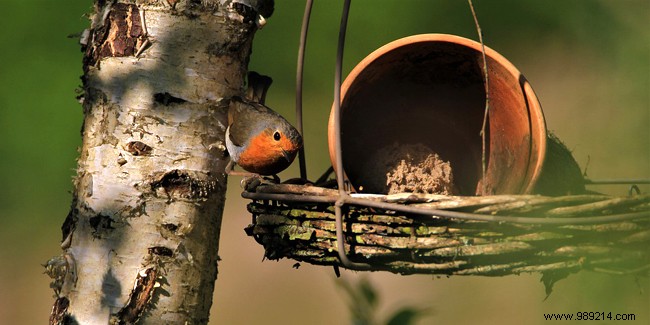
Birds add vibrant life and cheerful songs to any garden. In France, we're fortunate to host them year-round, even during unpredictable weather. Drawing from years of birdwatching and guidance from experts like the French Office for Biodiversity (OFB) and the League for the Protection of Birds (LPO), here are proven strategies to make your garden a bird haven.
Birds have varied preferences—some favor tall trees, others low shrubs or ground-level foraging for worms and insects. To welcome a wide array of species, plant across multiple levels, ensuring everyone finds a niche.
Opt for trees and shrubs that produce flowers, fruits, or cones. For an authentic, thriving ecosystem, choose native regional plants that enhance your garden's beauty while supporting local wildlife.
Important note: To protect nesting and breeding, the OFB and LPO advise avoiding hedge trimming from March 15 to July 31.
Create safe havens with purpose-built birdhouses, available at garden centers or supermarkets. DIY enthusiasts can craft custom designs tailored to specific needs. Vary entrance hole diameters to suit different species, position boxes at various heights, and keep them inaccessible to pets like dogs and cats. These shelters are perfect for nesting and roosting.
To preserve their natural foraging instincts, feed only during harsh conditions, like the first frosts. Provide winter sustenance through spring's arrival, then stop as milder weather returns—birds will quickly resume self-sufficiency.
Winter demands high-energy fats like butter or duck fat as a base. Supplement with species-appropriate seeds:
Use only bird-specific seed mixes—avoid salty snack varieties. Fat-and-seed balls are an excellent winter option.
Flexibility rules: hang near windows for viewing pleasure, elevate in trees against predators, or scatter on the ground. Birds adapt quickly. Keep feeder types separate with ample spacing, giving each species its preferred spot.
Clean regularly with plain water—harsh chemicals harm birds and their strong odors deter them.
Though sometimes overlooked, fresh water is crucial for drinking, bathing, and cooling. Offer it during extremes: winter freezes or summer heat. Use shallow (5 cm max) containers sized for groups, refreshing water frequently.
These steps transform your garden into a thriving bird habitat, fostering biodiversity and natural joy—no obligation required, just rewarding results.
