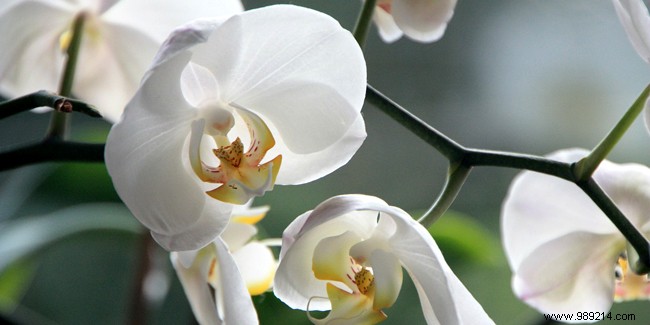
Orchids grace nearly every corner of the globe, boasting over 30,000 species. If you've recently received one as a gift, this beautiful yet delicate plant requires tailored care to stay vibrant, bloom repeatedly, and thrive for years. Here's everything you need to know from seasoned horticulturists.
Orchidaceae isn't just one flower—it's a vast family with more than 30,000 diverse species, making it one of the most varied in the plant kingdom. Phalaenopsis orchids are among the most popular for home growing. Originating from Asia and Central America, these tropical plants excel indoors.
Blooms come in white, yellow, pink, red, purple, and more. They're typically grown from March to May but can flower year-round. Evergreen foliage persists, and mature plants can reach up to one meter tall.
Location matters: orchids need bright, indirect light to flower but burn in direct sun. Aim for a semi-shaded spot with temperatures between 18 and 21°C. Keep away from heaters or fireplaces. From May onward, move outdoors cautiously, avoiding extreme heat that can stress this tropical beauty.
Water only when needed, adjusting for season and room warmth—once or twice weekly in summer, every two to three weeks otherwise. Misting helps maintain humidity. Keep roots moist but never soggy to prevent rot. Use rainwater or spring water over tap to avoid mineral buildup. Never let it sit in standing water, even post-vacation.
Blooms last weeks, with rebloom taking time, but you can encourage it. Snip the stem just above the second eye (node). For multi-bloom stems, you can cut the whole thing, but reserve full cuts for repeat bloomers. Repeat as needed—your orchid will regain strength and reflower.
Repot every 2-3 years as soil nutrients deplete. Use a shallow pot with orchid-specific bark-based mix from garden centers. Apply fertilizer sparingly, only orchid-formulated. Trim dead roots, leave healthy ones intact with their substrate. Water thoroughly and return to its spot.
Orchids face several issues, often fungal or pest-related.
For fungi, repot in fresh substrate and use quality water. Scale insects (3-5mm pests loving warmth/humidity) yield to cotton swabs dipped in beer, 90° alcohol, or black soap. Garden center treatments work too.
With proper care, your orchid can live 20 years or more!