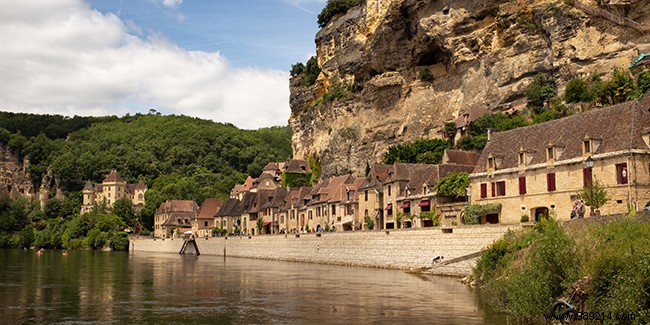
Périgord Noir, the enchanting natural region around Sarlat in Dordogne, France, gets its name from the dense, dark holm oak forests. This gem hides extraordinary treasures: picturesque villages, world-class prehistoric sites, stunning castles, dramatic landscapes steeped in history, and a culinary legacy that draws food lovers globally with its truffles, porcini mushrooms, foie gras, ducks, and geese. Drawing from years exploring this region, here are 10 essential stops for your itinerary.
Sarlat-la-Canéda, the heart of Périgord Noir, is a medieval masterpiece and City of Art and History. Wander its impeccably preserved streets, lined with historic monuments. Key highlights include Place du Marché aux Oies and the 16th-century Hôtel de Gisson. Explore grand mansions like Maison de La Boétie, Hôtel Plamon, and Maison du Présidial. Snap a photo at Roc Bayard's washhouse, then visit Saint-Sacerdos Cathedral (begun in the 12th century) or the Récollets church, now the Chapel of the White Penitents. Sarlat is an open-air museum—allow days to fully immerse yourself.
The Grottes de Lascaux house prehistoric paintings over 17,000 years old, discovered in 1940. Closed to protect the fragile art, exact replicas opened from 1983 onward, including the Hall of the Bulls, Axial Diverticulum, Felines Diverticulum, Nave, Apse, Passage, and Shaft. These faithful recreations showcase extraordinary prehistoric masterpieces.
Perched above Beynac village and the Dordogne River, this 12th-century medieval fortress is exceptionally preserved. Walk in the footsteps of Richard the Lionheart and Simon de Montfort. Climb the 150m-high keep for panoramic views.
Visit Château des Milandes in Castelnaud, once home to Joséphine Baker, who turned it into a haven for her adopted children. Tour the falconer's tower with its instruments, watch a falconry display, and stroll the beautiful park gardens.
En route amid Périgord's 1,001 castles, detour to Manoir d'Eyrignac's 18th-century French-style gardens. Still owned by the same family, they've been meticulously restored by the current owner, reclaiming their timeless elegance.
Founded in 1115 in Cadouin village for the Cîteaux order, this abbey—restored post-Revolution—features a stunning cloister and architecture. Don't miss this architectural marvel.
Périgord Noir is Prehistory's heartland. In the Vézère Valley, La Madeleine's cliffside site housed Magdalenian hunter-gatherers 17,000 years ago. Discover a mammoth engraving on ivory, a child's shell-adorned burial (1,150 shells), and the iconic 'Bison Licking Its Side.' Midway up the cliff: a medieval-to-1890s troglodyte village, 15th-century Gothic chapel, and Petit-Marzac castle ruins.
Les Eyzies-de-Tayac, the 'Capital of Prehistory,' boasts Paul Dardé's Neanderthal statue. Highlights include Grand Roc Cave's eccentric crystals and sites like Font-de-Gaume (polychrome paintings), plus Combarelles Cave, Bernifal Cave, La Mouthe Cave, Abri Audi, Abri Poisson, and Abri Armand Chadourne. UNESCO World Heritage sites revealing our ancestors' world.
This postcard-perfect village neighbors Beynac. Stroll medieval lanes to its 12th-century rock-built fortress—virtually impregnable with defensive wells, arrow slits, walkways, loopholes, and airlocks. It repelled all Hundred Years' War assaults.
In Audrix along the Vézère, descend 50m+ into Gouffre de Proumeyssac. Illuminated walls sparkle with crystals. Hike the forest trail, picnic in the shaded park, and explore the geological exhibit on local phenomena.
These 10 highlights are just the start—Périgord Noir brims with discoveries. Extend your stay for hidden gems and a scenic barge cruise on the Dordogne River.