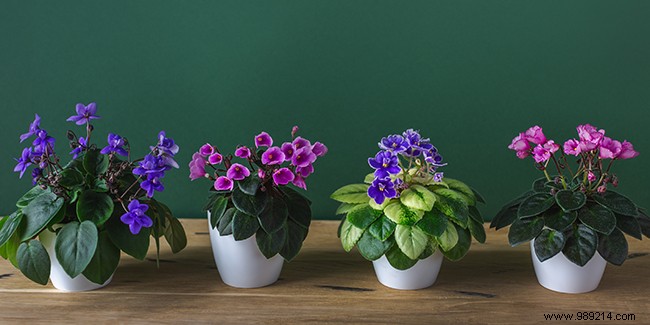
Saintpaulia, commonly known as the African violet, delights indoor gardeners with its vibrant, year-round blooms in a spectrum of colors. Originating from Africa's tropical regions, this resilient houseplant is remarkably easy to care for. Whether you're a novice or seasoned grower, here's our expert advice on maintenance, watering, repotting, pests, and more to keep your Saintpaulia thriving.
Native to Africa and part of the Gesneriaceae family, Saintpaulia—also called Cape violet—grows 20-30 cm tall with lush, evergreen foliage. With proper care, it flowers continuously. Botanically named Saintpaulia ionantha, it was first discovered in Tanzania by Baron Walter von Saint Paul-Illaire.
Popular cultivars include:
Saintpaulia thrives in low-maintenance conditions, preferring indirect or semi-shaded light to avoid leaf burns from direct sun. In summer, keep it shaded; in winter, brighter spots are fine but still indirect. Ideal temperatures range from 15-22°C year-round—perfect for most homes, though extra vigilance is needed in cooler months.
Use room-temperature, soft water to avoid stressing the plant—hard or cold water can harm it. Water directly at the soil base around the stem, never on leaves. Frequency is about once weekly, ensuring no standing water in saucers. Add clay pebbles at the pot bottom for optimal humidity control.
Saintpaulia prefers a snug pot, so repot only every 2-3 years in spring. Opt for a mix of 2/3 leaf mold and 1/3 heather soil, or a quality flower compost.
Repotting steps:
Even sturdy Saintpaulias can face issues. Here's how to tackle the most frequent ones based on proven horticultural practices.
These pests target dry plants. Prevent by misting regularly and treat with mineral oil sprays on affected areas—skip harsh insecticides.
Thriving in warm, humid spots, wipe them away with a cloth soaked in 90° alcohol or beer.
These disease carriers respond to vegetable or mineral oils; choose 100% natural commercial options if needed.
Leaves turn grayish and spotty—treat with a baking soda and black soap mix or diluted lukewarm milk.
Spot these signs and act promptly for a healthy plant:
For personalized advice, consult your local garden center. With these tips, your Saintpaulia will reward you with endless beauty!