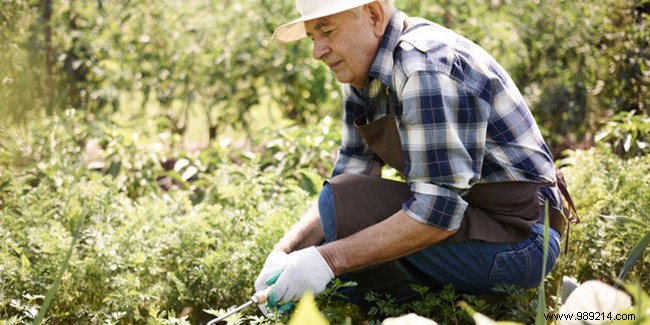
After decades in the workforce, transitioning to retirement can leave many feeling restless. That's why countless retirees embrace gardening, especially those with a bit of outdoor space—a fulfilling way to stay active and purposeful.
Gardening delivers a wealth of health advantages for older adults, often described as a "gentle sport." Geriatricians frequently recommend it to preserve fitness and motor function, making it ideal for managing chronic conditions like osteoarthritis, polyarthritis, or osteoporosis.
Repetitive movements—kneeling, squatting, and bending—strengthen muscles and joints while burning calories. Mowing the lawn, trimming hedges, digging, hoeing, raking, and watering double as effective cardiovascular workouts. Remarkably, just three-quarters of an hour daily equates to 20 minutes of brisk walking or 15 minutes of aerobics.
Gardening also combats stress and depression effectively. Practiced outdoors, it enhances mood and vitamin D absorption for better well-being. For seniors, it's an activity to pursue freely. Today, with accessible online resources like Binette & Jardin, even those without a "green thumb" thrive as seasoned gardeners through expert web tips.
It's no surprise gardening inspired horticultural therapy, which leverages these benefits for psychological and physical health. This approach benefits everyone, regardless of age or gender.
Originating in the mid-18th century with American psychiatrist Benjamin Rush, the practice is gaining ground in France despite being relatively new. It sharpens memory, proving especially valuable for seniors with Alzheimer's disease.
As a group endeavor, it counters isolation and social exclusion. By the late 1990s, it was standard in retirement homes across Japan, the US, and Canada. In the US, it's also a key activity in facilities for children with autism.